
Introduction
By now, anxiety is a staple word (if I may take the liberty of saying so) in most, if not all households. A pervasive phenomenon, anxiety is characterised by a stream of worrying thoughts and feelings of discomfort as we anticipate a threat or that something will go wrong in the future. To understand anxiety better, let’s look at this scenario.
An Introduction to Fear and Anxiety
I am hungry. I am at a roadside eatery, shamelessly gorging on a large-sized sandwich. Just then, a normally well-fed but presently hangry dog looks at me, then looks at my food and starts chasing me with all its might, hoping to fight me for the sandwich.
In this case, I experience fear – an emotion that is based on sensing a clear and present danger. If I am able to observe myself in that moment, I will find that my muscles stiffen, my vision narrows, my pulse rises, my heart pounds and suddenly I have a surge of energy (the proverbial adrenaline rush) that primes me for a fierce encounter, a cowardly dash or a total freeze (God save me and my sandwich!).
And then I make the brave choice of running away. Being faster, I outrun the dog. The dog too ignores me and finds someone worthier with a larger sandwich (this is low sense of self worth, something we could explore in another article) to pursue and leaves me alone…
The danger is gone and I am no longer breathing as hard, my pulse is stable, my heart beat is back to normal and my muscles are more relaxed. I heave a sigh of relief, munch on whatever is left of my sandwich (I am hungry again!) and go home.
All is well up until now, and this is what has helped us survive as a species for millennia.
Let’s now come to anxiety. This experience has caused me a lot of distress and for some reason, I have decided to let it run again and again in my head, the script changing and becoming scarier with every rerun. Couple of days later, I am hungry again, there is no food at home, again and I need to eat at the same eatery. Now, the first thought that comes to mind is not the menu, not a pleasant imagery of me eating by the plate load, but of the burly dog chasing me again.
The moment this happens, my muscles tighten, my heart beats fast again, my vision narrows and I am ready to run away – only this time, there is no dog or eatery and I am in the safe confines of my house. This – an imagined fear of what all could go wrong, anticipating danger – is anxiety.
When Anxiety becomes a habit
Sporadic anxiety isn’t all that harmful – such as being anxious about what will happen if we don’t spend some time studying for our examinations – so long as it helps us act. When this tendency becomes a habit or our de facto way of dealing with the world, its effects can be terribly annoying and can affect our day to day lives. Some of the common effects are:
- We are always keyed up and on the edge, anticipating how things will go wrong
- We visualise all possible scenarios, identify ways to overcome them, then find other scenarios, more solutions, more scenarios, ……….. endlessly
- We end up trying to compensate for this endless cascade of worrying thoughts by trying to micromanage and control outcomes, to lower anxiety
- When that strategy fails (of course it will!), we lose it and become agitated, restless and eventually start avoiding things that cause us anxiety. Or we become overbearing and excessively controlling of situations that cause anxiety. While we hope this will kill it off, it only makes anxiety worse
- The most harmful consequence of us becoming an “anxious person” is that doing even the simplest of things that we have been able to do all along becomes a huge challenge. And it is usually at this point that people seek help.
But why does Anxiety impair my life so much?
In life, we all have needs, the ability to fulfil those needs and some challenges in achieving those needs. Under normal circumstances, our ability to be attentive and goal-focused helps us work towards fulfilling our needs by working on our goals and overcoming any challenges that come along. For the anxious person, this isn’t the case as they have to deal with Anxiety, the illusionist, which does the below:
- It makes our needs seem more insignificant than they actually are
- It makes us feel incompetent and unable to work towards fulfilling our needs
- It makes the challenges in the way seem unsurmountable
In a nutshell, Anxiety is an illusionist that can make a mountain out of a molehill and a molehill out of a mountain.
So, what do I do to overcome Anxiety?
Before that, we need to understand something important about anxiety. It isn’t a villain. It is just an overbearing protector that was born to protect us and because many such circumstances presented themselves, decided to stay back and help you, even when you don’t need it. It simply doesn’t want you to get hurt.
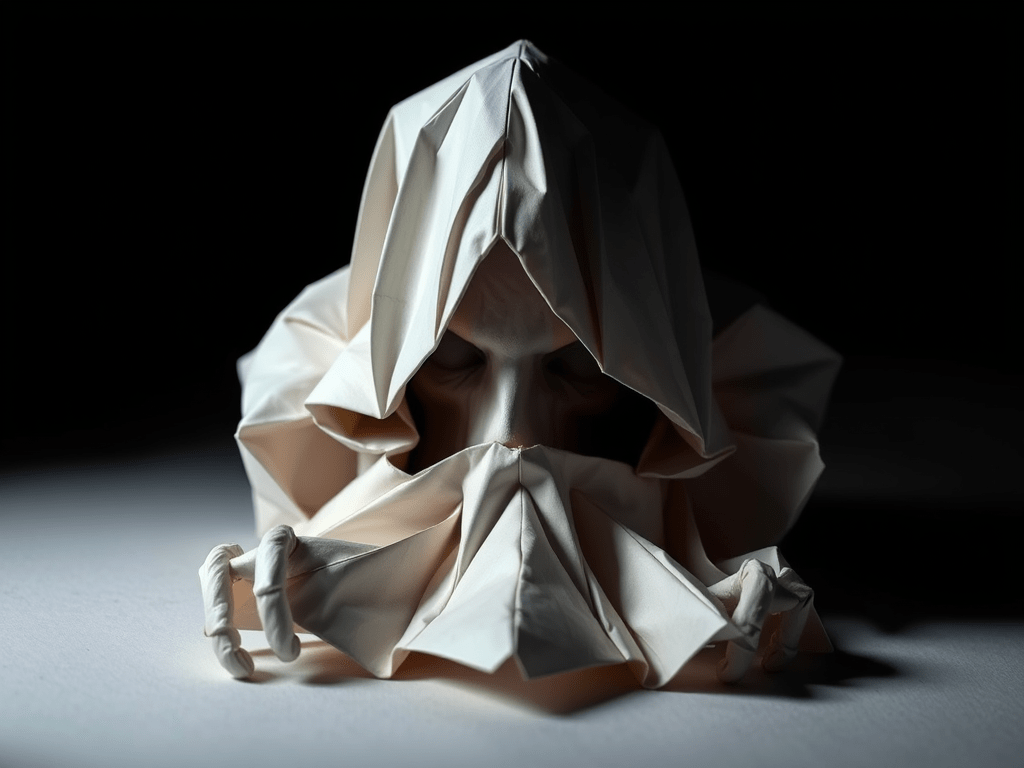
Over time, it becomes a suffocating , heavy and limiting suit of armour with the aim to protect you from further hurt and psychological injury. Unfortunately, for all its good intentions, it becomes a burden that bears you down.
At this juncture, we have two choices. We can look at it as a burden, a pain, a nuisance. Or, we can look at it as a suit of armour that can be removed with some effort. You might need help, (say from a therapist, a counsellor or anyone capable of making you feel safe). When you do avail the help available, you will
- Understand anxiety for what it is – a friend who is overstaying their welcome
- Stop judging and evaluating situations in their presence
- Observe (and not analyse) situations and triggers, evaluate them objectively and discover how things aren’t as awful as they seem
- Stop being hard on yourself and stop feeling the compulsion to control everything
- Stop avoiding life situations
- Start dealing with life and slowly discover that all along, you were misled by a well-meaning but an annoyingly overprotective emotional function called anxiety.
How can I free myself from the chokehold of anxiety?
- Say it with me. I am not in a chokehold. There is no chokehold. In fact, nothing is holding me. I am holding myself back and in an instant, I can set myself free.
- Don’t look at anxiety as your enemy. It is a friend who means well but without the skills to be helpful. It doesn’t know how strong you are and how you are capable of dealing with your life yourself. As we saw before, Anxiety is a well-meaning, but annoying friend
- Work with a mental health expert on practices that will help you be more attentive, mindful and observant. Work with them on studying your thinking patterns, beliefs and work on reframing them to be closer to reality
- On that back of these, build gratitude, self-awareness and self-compassion. Cut yourself some slack, stop looking at everything as black and white and learn to combine self-awareness and mindfulness to live more in the present
- Explore what led you to develop such tendencies and adjust your lifestyle to ensure that such negative influences are eliminated or kept at bay. Set healthy boundaries, build on your strengths and values to feel more grounded in yourself
- Use your past experiences as lessons. Look at them as if you are reading a reference book instead of replaying them. Live more in the real world, than inside your head this way. Tell this friend, Anxiety, that they were once useful directly, but now aren’t needed to play an active role
- For any scenarios you visualise, adopt techniques to switch on your curiosity (while relegating worry) while you think, so you can validate them for evidence. This will stop the flurry of thoughts and help you deal with only what matters – if you have an examination for instance, you will now only think about what is needed to do well and not go on a thinking spree about how failing in this exam means you will never get married as you won’t find a good job because of which you will die alone on a cold and rainy night…
You will eventually notice that life and the world around aren’t all that bad after all!
 FLOURISH
Leave a comment